
Swimming may not always dominate headlines in the Philippines, but beneath the surface lies a deep pool of talent, history, and inspiring moments. Whether you’re a swimmer, a coach, or just a fan of the sport, here are some incredible people behind Philippine swimming that will make you proud to be part of the community.
1. The First Filipino to Compete in Olympic Swimming Was in 1924
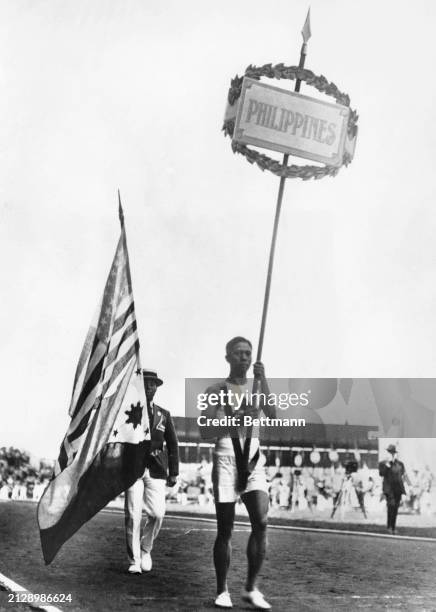
David Nepomuceno, the country’s first Olympian, paved the way in 1924—but it was Teófilo Yldefonso who made history in swimming by bagging bronze medals in the 1928 and 1932 Olympics in the 200m breaststroke. Yldefonso remains the only Filipino swimmer to win an Olympic medal to date.
2. The Philippines Has a Stroke Named After a Swimmer
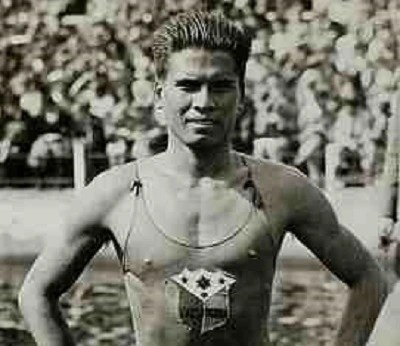
Teófilo Yldefonso, known as the “Ilocano Shark,” revolutionized breaststroke technique with a style that became known as the “Yldefonso stroke.” His legacy lives on in Filipino swim culture and textbooks.
3. First Muslim Filipino Olympian Swimmer
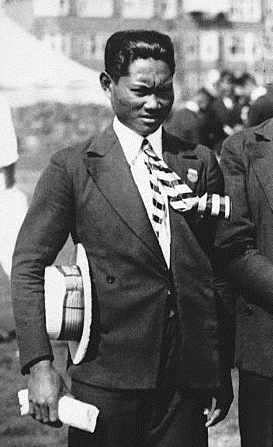
1928 Olympic competitor (400 m & 1,500 m freestyle): From Siasi, Sulu, he swam in Amsterdam at just 17. Though he didn’t medal, he paved the way for greater diversity in Filipino athletics.
4. The “Asia’s Swim Queen”
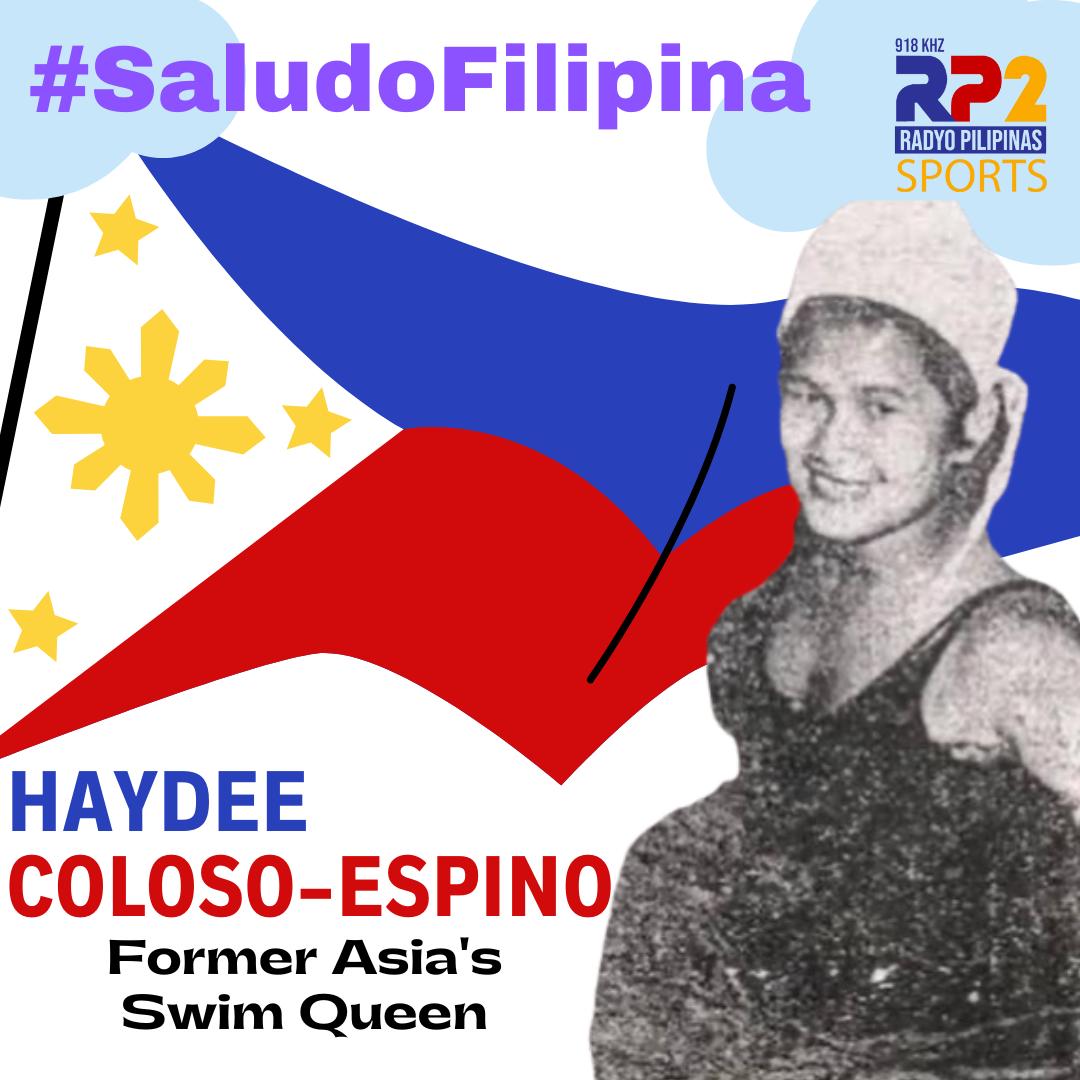
Haydée Coloso-Espino, often hailed as the “Asian Swim Queen,” remains the most decorated Filipina swimmer in Asian Games history.
From 1954 to 1962, Coloso-Espino made waves across three Asian Games, collecting an incredible 10 medals: 3 golds, 5 silvers, and 2 bronzes. Her consistency, power, and grace in the water earned her admiration not just in the Philippines but across Asia, where she was a fierce and respected competitor.
5. Bana Sailani, the Long-Distance Record Setter
Bana Sailani was a Filipino swimming prodigy who broke national records in the 400m and 1,500m freestyle at just 15 years old in 1953. He went on to represent the Philippines in the 1956 and 1960 Olympics and competed in three Asian Games. Recognized for his outstanding achievements, he was named Athlete of the Year by the Philippine Sportswriters Association in 1953 and 1958. His legacy lives on as a pioneer of long-distance swimming in the country.
Source: Philippine Olympians Association, Wikipidea
 Philippine Killerwhale Swimming Association